Understanding the psychological triggers that drive gambling behavior
Understanding the psychological triggers that drive gambling behavior
The Allure of Risk and Reward
The thrill of gambling often stems from the innate human attraction to risk and the potential for reward. The psychology of risk-taking is deeply embedded in our evolutionary history, as early humans engaged in various activities that involved uncertainty to secure resources. This tendency is accentuated in gambling environments, where the excitement of winning can trigger the brain’s reward pathways, releasing dopamine and creating a feeling of euphoria. For example, players can explore fast, secure deposits at Neosurf casinos, like https://thewaitingroom.co.nz/, which enhances their experience while prioritizing privacy.
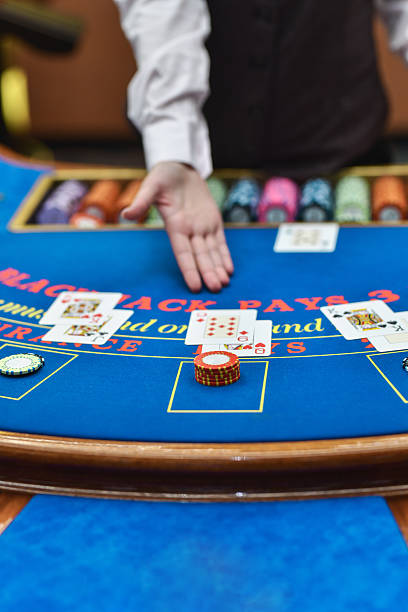
Furthermore, the intermittent reinforcement that comes with gambling—winning occasionally while losing frequently—can intensify the compulsion to play. This pattern keeps players engaged, leading them to chase losses or seek out the next big win, reinforcing their gambling behavior over time.
The Role of Cognitive Biases
Cognitive biases play a significant role in shaping gambling behavior. Many gamblers fall prey to the illusion of control, believing they can influence outcomes in games of chance. This misconception can lead to increased betting, as players feel empowered to make decisions that can sway results in their favor, even when the odds are purely random.
Additionally, the gambler’s fallacy—the belief that past events influence future outcomes—can perpetuate gambling habits. For instance, if a player experiences a series of losses, they may believe that a win is “due,” prompting further betting despite the statistical reality. These biases create a cycle that can lead to problematic gambling behavior.
The Impact of Social Factors
Social influences are another critical trigger for gambling behavior. People are often motivated to gamble as a means of socializing or bonding with friends and family. The communal atmosphere of casinos and betting events can create a sense of belonging that encourages participants to engage in gambling activities.
Furthermore, celebrity involvement in gambling, through endorsements or appearances, can significantly impact public perception and attract individuals to casinos. High-profile figures often glamorize the gambling experience, making it seem more appealing and accessible to fans and followers, which can heighten interest and participation in gambling activities.
Emotional Triggers and Gambling
Emotions significantly influence gambling behavior, acting as both motivators and inhibitors. Stress, anxiety, and boredom are common emotional states that drive individuals to gamble as a form of escapism. For some, the act of gambling offers a temporary distraction from life’s challenges, creating a cycle where negative emotions lead to gambling, which in turn can lead to further emotional distress if losses are incurred.
Conversely, positive emotions, such as excitement and celebration, can also trigger gambling behavior. People often associate gambling with fun and social interaction, leading them to partake in gambling as a form of entertainment during joyous occasions. This duality of emotional triggers can create a complex relationship with gambling, making it essential to recognize and address these feelings.

Your Resource for Responsible Gambling
Understanding the psychological triggers that drive gambling behavior is crucial for promoting responsible gaming practices. Resources like our website provide comprehensive information about various gambling options, emphasizing safety and informed choices. By educating players about the psychological aspects of gambling, we aim to empower individuals to make better decisions regarding their gaming habits.
Our platform also offers guidance on selecting reputable casinos, understanding bonuses, and recognizing the signs of problematic gambling. By equipping players with the necessary knowledge and tools, we strive to foster a responsible gambling environment that prioritizes enjoyment without compromising well-being.